
Essential Supplies for Aspiring Engineers and Innovators
- Logan Fitzpatrick
- 14 hours ago
- 4 min read

Engineering and innovation are fields that require not only creativity and problem-solving skills but also the right tools and supplies. Whether you are a student, a hobbyist, or a professional, having the essential supplies can make a significant difference in your ability to design, build, and innovate. In this blog post, we will explore the must-have supplies for aspiring engineers and innovators, ensuring you are well-equipped to tackle any project.
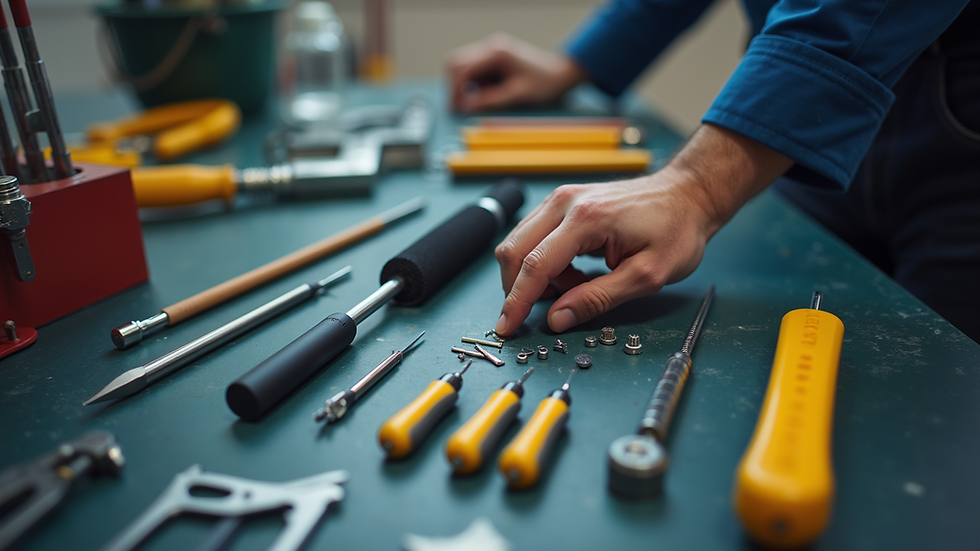
Understanding the Basics of Engineering Supplies
Before diving into specific tools and supplies, it’s important to understand what categories of supplies you might need. Engineering supplies can generally be divided into several categories:
Design Tools: These include software and hardware that help in the design process.
Building Materials: Items used to create prototypes or final products.
Testing Equipment: Tools that help in evaluating the performance of your designs.
Safety Gear: Essential for protecting yourself while working on projects.
By categorizing your supplies, you can ensure that you have everything you need for each phase of your engineering projects.
Design Tools
Software
In today's digital age, software plays a crucial role in engineering design. Here are some essential software tools:
CAD Software: Programs like AutoCAD and SolidWorks are vital for creating detailed designs and blueprints. They allow you to visualize your ideas in 3D, making it easier to spot potential issues before you start building.
Simulation Software: Tools such as ANSYS or COMSOL Multiphysics help you simulate how your designs will perform under various conditions. This can save time and resources by identifying flaws early in the design process.
Hardware
While software is essential, having the right hardware is equally important. Consider investing in:
High-Quality Laptops or Desktops: Ensure your computer can handle demanding software applications. Look for models with strong processors, ample RAM, and dedicated graphics cards.
Tablets with Stylus: Devices like the iPad Pro or Microsoft Surface can be great for sketching ideas on the go. They allow for quick note-taking and drawing, which can be invaluable during brainstorming sessions.
Building Materials
Once you have your designs ready, it’s time to gather the materials needed to bring them to life. Here are some common building materials you should consider:
Wood: A versatile material that is easy to work with. It can be used for everything from prototypes to final products.
Metal: For more durable projects, consider using aluminum or steel. These materials are great for structural components and can withstand significant stress.
Plastics: Materials like acrylic and PVC are useful for creating lightweight and waterproof designs. They are often used in electronics and housing for various devices.
Electronics Components: If your project involves electronics, stock up on resistors, capacitors, microcontrollers, and sensors. Websites like SparkFun and Adafruit offer a wide range of components for various projects.
Testing Equipment
Testing is a critical phase in engineering. Having the right tools can help you ensure that your designs meet the required standards. Here are some essential testing supplies:
Multimeter: This tool is essential for measuring voltage, current, and resistance in electrical circuits. It can help you troubleshoot issues and ensure your designs are functioning correctly.
Oscilloscope: For more advanced projects, an oscilloscope can visualize electrical signals, allowing you to analyze the performance of your circuits in real-time.
Load Cells: If your project involves measuring weight or force, load cells can provide accurate readings and help you assess the performance of your designs.
Safety Gear
Safety should always be a priority when working on engineering projects. Here are some essential safety supplies:
Safety Glasses: Protect your eyes from debris and harmful substances while working on projects.
Gloves: Depending on the materials you are working with, gloves can protect your hands from cuts, chemicals, or heat.
Dust Masks: If you are working with materials that produce dust or fumes, wearing a mask can help protect your respiratory system.
Organizing Your Supplies
Having the right supplies is only part of the equation. Keeping them organized can save you time and frustration. Here are some tips for organizing your engineering supplies:
Use Clear Storage Bins: Label each bin with its contents, making it easy to find what you need quickly.
Create a Dedicated Workspace: Set up a specific area for your projects, equipped with all your essential tools and supplies. This will help you stay focused and efficient.
Regularly Inventory Your Supplies: Keep track of what you have and what you need. This will help you avoid last-minute trips to the store and ensure you are always prepared.
Building a Community
As an aspiring engineer or innovator, connecting with others in your field can provide valuable insights and support. Here are some ways to build a community:
Join Online Forums: Websites like Reddit and Stack Exchange have active communities where you can ask questions, share ideas, and get feedback on your projects.
Attend Workshops and Meetups: Look for local events where you can meet other engineers and innovators. These gatherings can provide inspiration and networking opportunities.
Collaborate on Projects: Working with others can help you learn new skills and gain different perspectives on problem-solving.
Staying Updated with Trends
The engineering field is constantly evolving, with new technologies and methodologies emerging regularly. Here are some ways to stay updated:
Follow Industry Blogs and Podcasts: Subscribe to blogs and podcasts that focus on engineering and innovation. They often cover the latest trends and provide insights from industry experts.
Take Online Courses: Platforms like Coursera and Udemy offer courses on various engineering topics. This can help you expand your knowledge and stay competitive in the field.
Participate in Competitions: Engaging in engineering competitions can challenge your skills and expose you to new ideas and techniques.
Conclusion
Equipping yourself with the essential supplies for engineering and innovation is crucial for success in these fields. By investing in the right tools, materials, and safety gear, you can enhance your ability to design, build, and test your ideas effectively. Remember to stay organized, connect with others, and keep learning to stay ahead in your engineering journey.
As you embark on your projects, consider what supplies you might need and how they can help you achieve your goals. The right tools can empower you to turn your innovative ideas into reality.


Comments